
(“Solva 22” watchtower)
2021
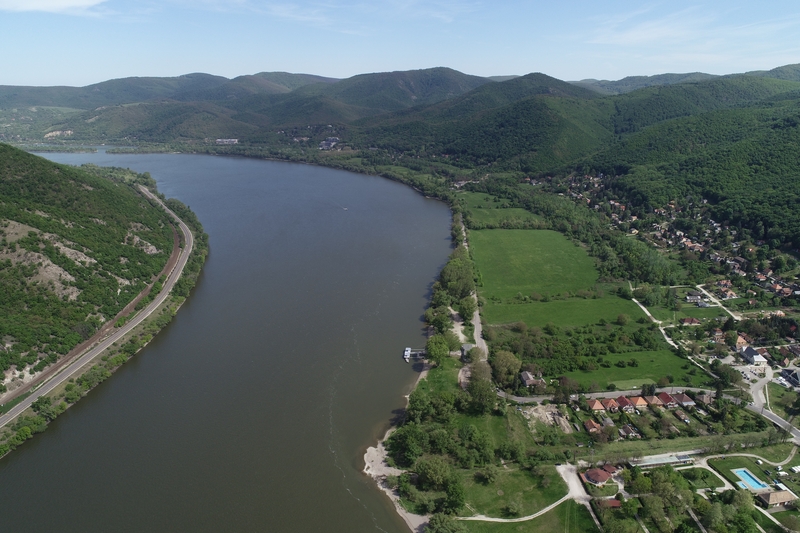
At the scenic bend of the Danube at Dömös, a Late Roman watchtower known as “Solva 22” has been identified by research.
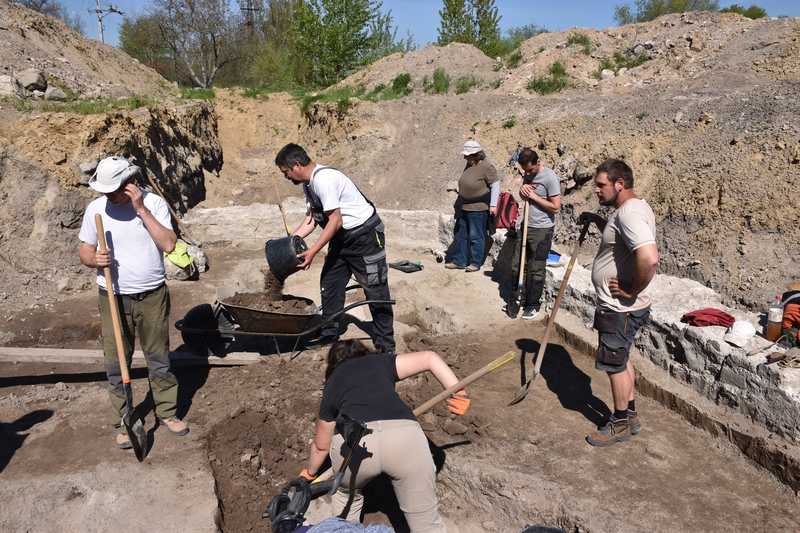
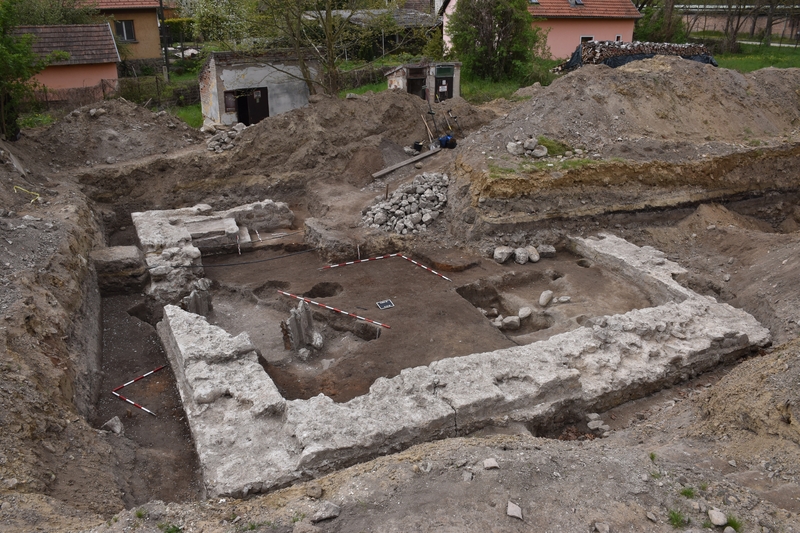
At the request of the property owner, a verification excavation was carried out in autumn 2020 and spring 2021 by the Balassa Bálint Museum under the direction of Mónika Merczi, with technical support from the Institute of Archaeology of Pázmány Péter Catholic University through Róbert Lóki. The excavation clarified the exact location, ground plan, and main chronological questions of the watchtower.
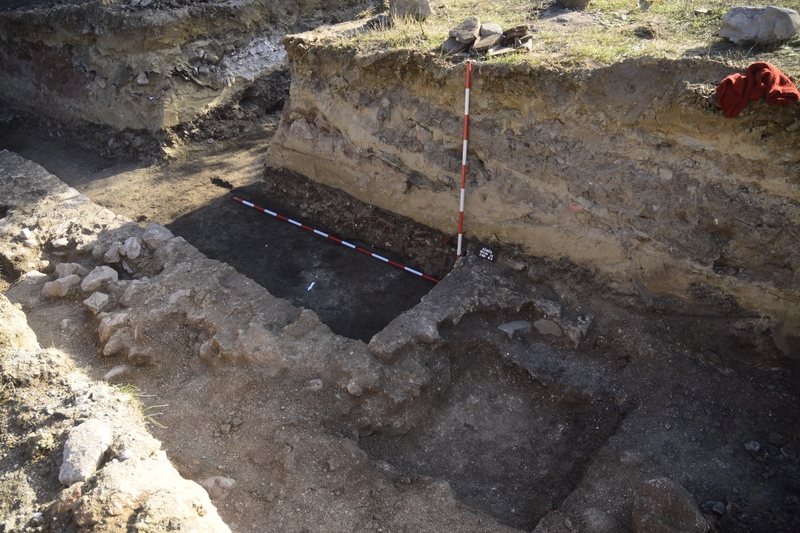
Although the tower was damaged in several places—and in some areas destroyed—by 20th-century utility works and disturbances, the surviving and uncovered remains still present an impressive sight. The standing walls of the tower survive in places up to a height of 50–70 cm, and even the starting point of the staircase leading to the upper levels has been preserved in the southeastern corner.
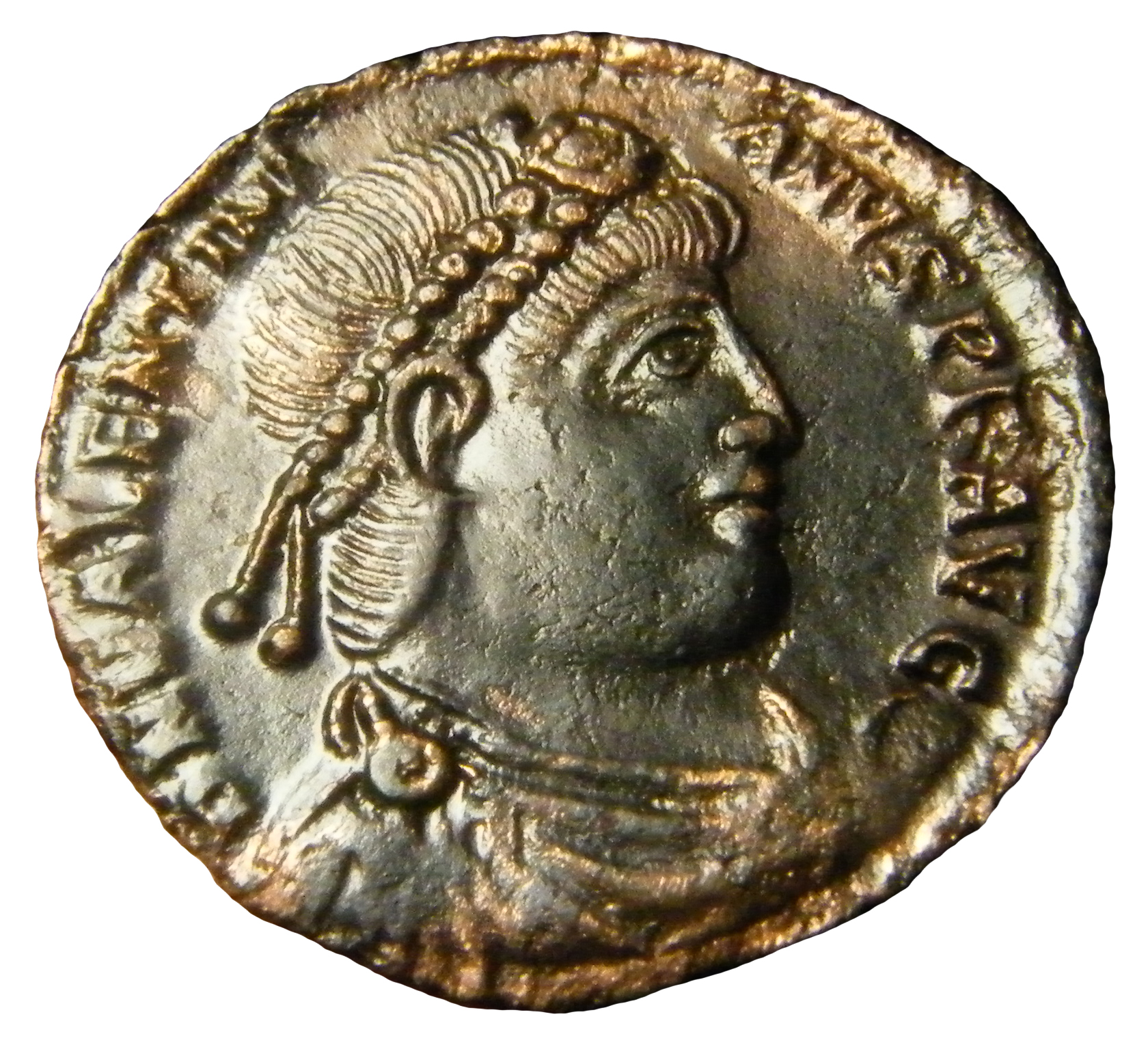
The finds recovered—particularly the large number of stamped bricks and small bronze objects—can mainly be dated to the late 4th century, corresponding to the period when the tower was abandoned. However, based on a few scattered archaeological features and associated finds dating to the 2nd–3rd centuries, it can be concluded with certainty that Romans had already inhabited the site prior to the construction of the Late Roman watchtower.
The results of the excavation and its finds were presented to the public in the temporary exhibition “Őrtorony a révnél”(“Watchtower at the Ferry”) at the Balassa Bálint Museum.
Mónika Merczi, Róbert Lóki